Wine Types & Fundamentals
Master the five pillars of wine — the foundation of every confident choice.
Red vs White: The Core Difference
Skin Contact: Red wines are fermented with their skins, extracting color, tannin, and structure. Whites are typically pressed off skins before fermentation.
Tannin vs Acidity: Reds get their backbone from tannin (a drying, gripping sensation). Whites rely on acidity (crisp freshness) for structure.
Oak Influence: Both can be oak-aged, but oak is more common in premium reds and rich whites like Chardonnay.
Executive Translation
Tannin = structure, seriousness, gravitas
Acidity = freshness, precision, energy
Oak = richness, luxury, complexity cues
Body = weight and intensity on the palate
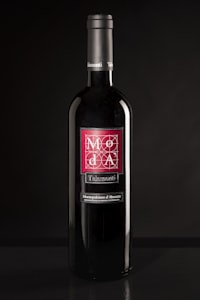
Red
Tannin (structure/grip), body (light to full), oak influence (vanilla, spice). Served at room temperature or slightly cool.

White
Acidity (freshness/precision), body (light to full), sometimes oak-aged for richness. Served chilled.

Rosé
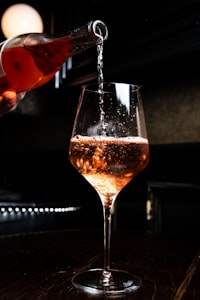
Light body, refreshing acidity, red fruit notes. Best served well-chilled. Dry Provençal style is the gold standard.
Sparkling
Bubbles (mousse), acidity (backbone), toasty/bready notes in traditional method. Styles range from bone-dry (Brut Nature) to sweet (Doux).

Fortified
Higher alcohol (15-22%), can be dry or sweet, complex and age-worthy. Often served as aperitif (dry Sherry) or dessert wine (Port).